Why a chiropractor talks about feet
My work centres on the spine and the nervous system. Feet come into it because they are one of the richer sources of information the nervous system receives.
When footwear compresses the toes and blocks movement, that information becomes poorer. Research suggests this can influence balance and how the body organises itself.
I came to this personally. In 2019 I was dealing with double plantar fasciitis and a big toe slowly drifting. Discovering footwear that respects the natural shape of the foot changed how I look at the whole chain, from ankle to knee, hip and spine.
Today I run the largest French speaking account dedicated to this subject.
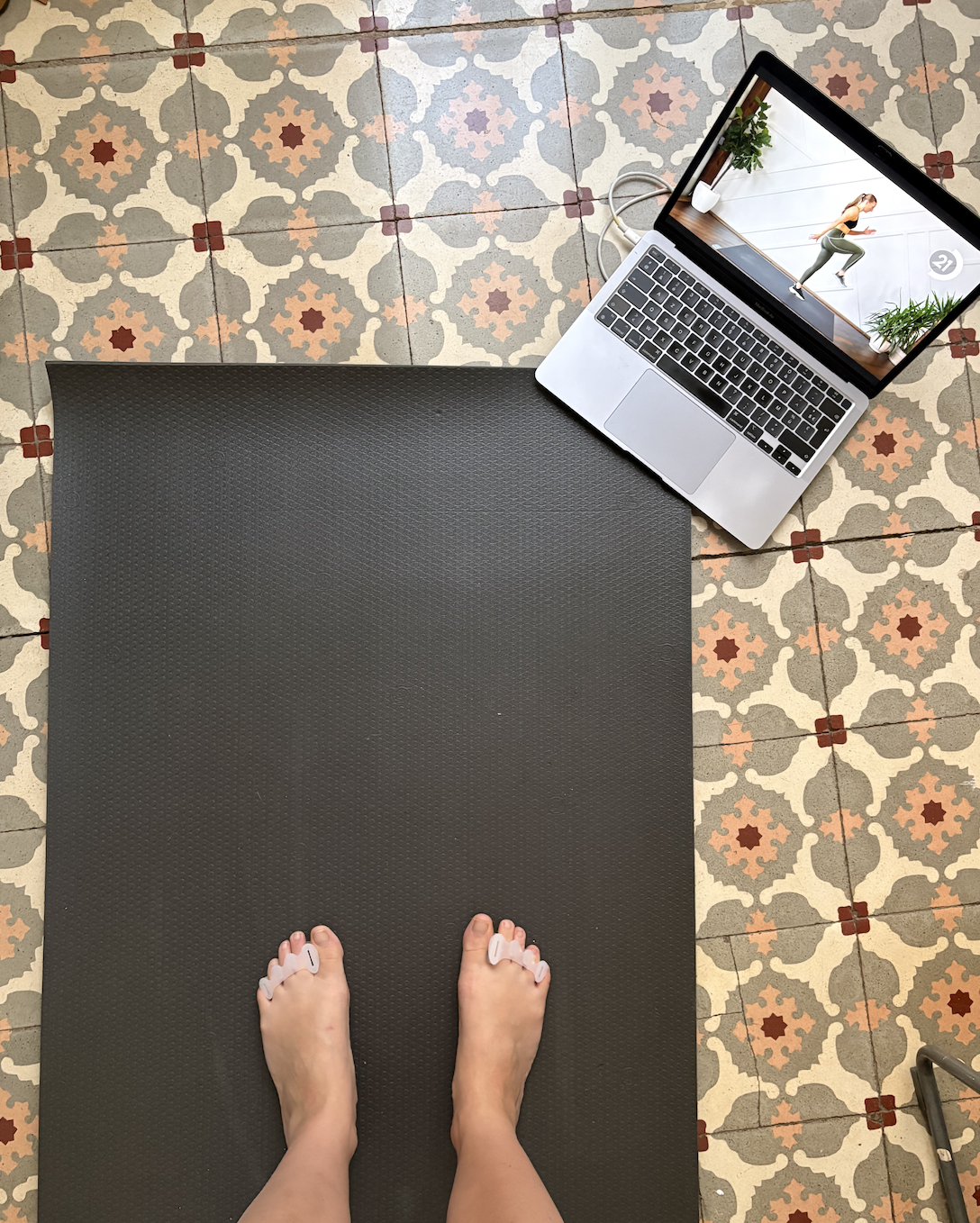
What makes a shoe respect your foot
A shoe that meets these four points lets the foot work, and lets it send clearer information up the chain.
Wide toe box
Toes spread naturally, with no compression.
Zero drop
Heel and forefoot sit at the same level.
Thin sole
The ground stays readable under the foot.
Flexible
The foot bends and moves freely.
Where I stand today
I wear barefoot shoes about eighty percent of the time, and I would not go back. But I am not dogmatic about it, and I think the conversation online often is.
On hard city surfaces, all day, the constant ground contact can be tiring. So these days I appreciate a bit more cushioning under the foot. To be very clear, that means a slightly softer sole, not heels. I have not switched sides.
That is not a contradiction either. It is the same principle applied honestly: your body adapts to what you give it, and what it needs varies. Also, we are all human and nobody is running a perfect biomechanical life. Least of all me. 🙂
Going slowly matters more than going all in. Feet that have spent decades in narrow, cushioned shoes need months, not weeks. Switching everything at once is where most people run into trouble.
Book an appointment
Let's look at the relationship between your feet and your posture.
Book a chiropractic assessment